Garden Architecture: Design Principles, Modern Trends, and Inspiring Examples of Outdoor Spatial Art
Garden architecture stands as one of the most compelling intersections between nature, art, and human creativity. It transforms landscapes into living works of design, where structural form meets organic life to evoke emotion, purpose, and harmony. From ancient palace courtyards to urban rooftop sanctuaries, garden architecture embodies the delicate balance between built environments and the natural world.
In this comprehensive exploration, we uncover the essence of garden architecture, its origins, design principles, technological advancements, and practical applications in modern life. You’ll also discover real-world examples that highlight how architectural thinking shapes breathtaking gardens across cultures and eras.
Understanding Garden Architecture
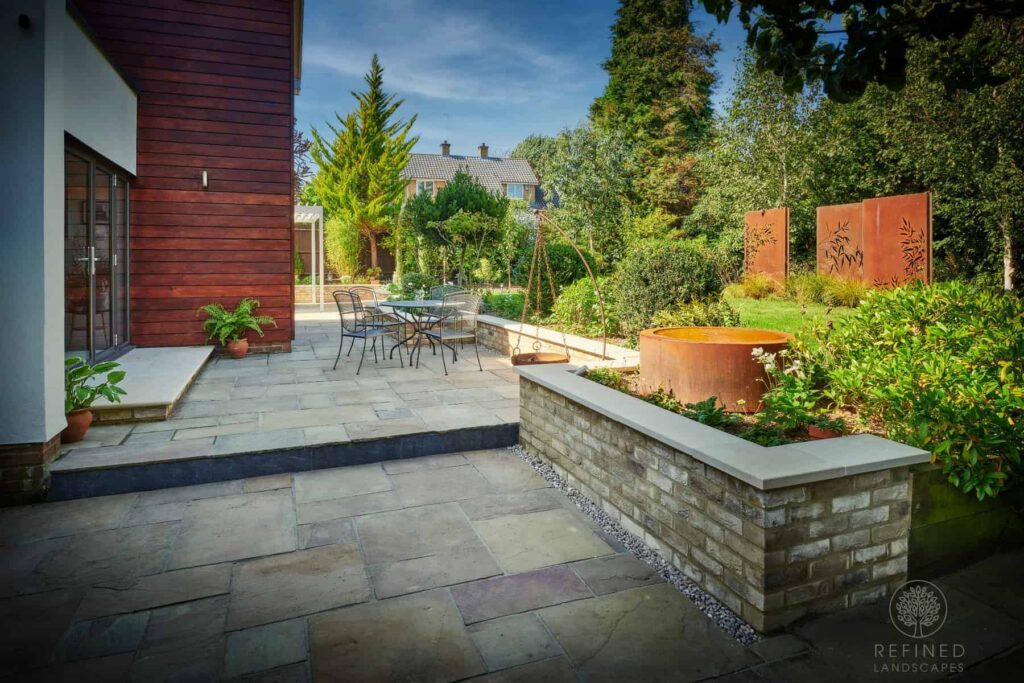
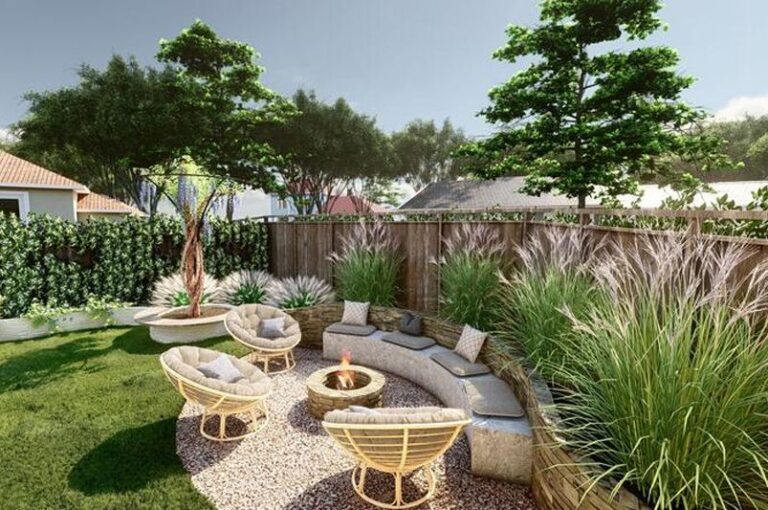
Garden architecture is the design and structuring of outdoor spaces by integrating natural and artificial elements into a cohesive whole. It involves the careful planning of vegetation, terrain, and constructed features such as walls, paths, water systems, and sculptures. Unlike simple gardening, which emphasizes plant selection and maintenance, garden architecture focuses on spatial design, proportion, and visual harmony.
This discipline demands both artistic creativity and technical expertise. A garden architect must understand environmental systems, soil, drainage, sunlight, and climate while also considering human comfort and aesthetic appeal. The ultimate goal is to create a sustainable, functional, and visually engaging landscape that enhances its surrounding architecture and provides emotional resonance for those who experience it.
Core Design Principles of Garden Architecture
Unity and Harmony
Every successful garden design relies on unity. Elements within the garden, including plants, pathways, and structures, should appear interconnected, contributing to a unified visual narrative. Harmony is achieved through consistent use of form, texture, and color, ensuring that no individual feature overpowers the composition.
Balance and Proportion
Proportion defines the relationship between the size of elements within a garden. Symmetry often conveys formality, as seen in classical European designs, while asymmetry can express freedom and natural movement. A well-balanced garden feels comfortable and visually stable, regardless of its style or scale.
Rhythm and Repetition
Repetition creates a rhythmic flow that guides the viewer’s eye across the space, allowing for a seamless visual experience. This may involve recurring patterns of trees, paving materials, or geometric motifs. Rhythm helps establish continuity while preventing visual chaos.
Function and Flow
Garden architecture merges beauty with purpose. A functional design ensures smooth circulation, accessibility, and usability. Flow considers how people move through a garden, transitioning from open lawns to intimate courtyards or shaded pathways.
Historical Evolution of Garden Architecture
Ancient Civilizations
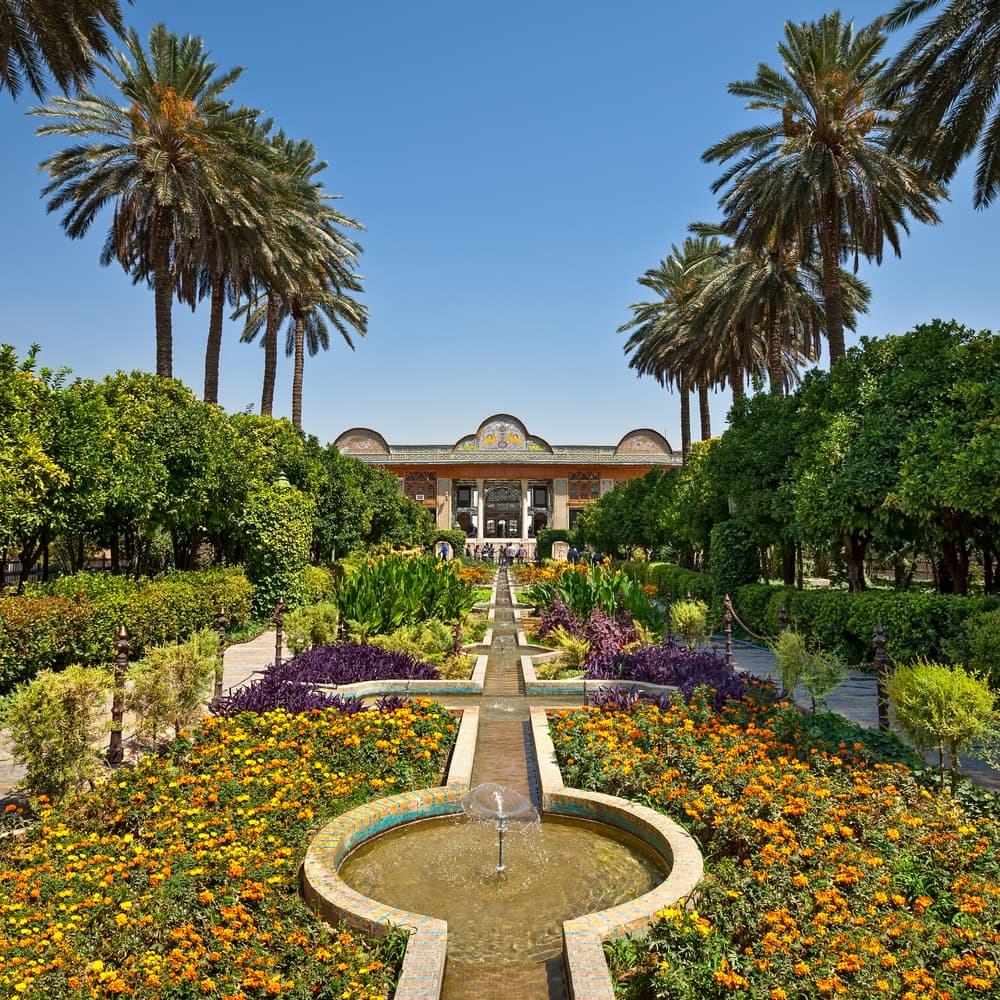
The earliest gardens date back to ancient Persia, Egypt, and Mesopotamia. Persian gardens symbolized paradise on earth, structured around geometric water channels, symmetry, and enclosed spaces for reflection. Egyptian temple gardens used axial alignments to represent spiritual balance, while Roman peristyle gardens integrated architecture with open courtyards and fountains, blending leisure and formality.
Renaissance and Baroque Eras
The Italian Renaissance gardens, such as Villa d’Este and Boboli Gardens, emphasized order, perspective, and proportion. They reflected human mastery over nature through terraces, sculptures, and symmetrical layouts. The French Baroque gardens at Versailles elevated this concept to monumental scales, where every path, pool, and hedge symbolized power and control.
Modern and Contemporary Movements
In contrast, the English landscape movement of the 18th century introduced naturalism, curved lines, rolling lawns, and irregular planting. In the 20th century, modern garden architecture embraced simplicity and abstraction, focusing on function and ecological integration. Today, contemporary garden architects emphasize sustainability, blending natural materials with digital design tools and native planting schemes.
The Role of Technology in Modern Garden Architecture
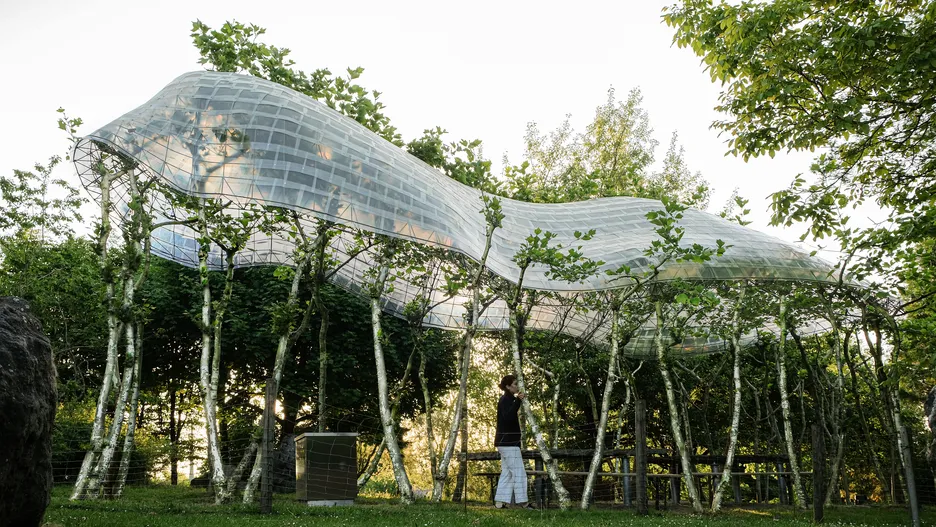
Technology has transformed garden architecture from a manual craft into a precise, data-driven discipline. Modern tools allow architects to visualize, simulate, and refine their designs with remarkable accuracy.
Digital Modeling and Visualization
Programs such as Realtime Landscaping Architect, SketchUp, and AutoCAD enable 3D modeling of gardens before construction. Designers can adjust elevation, plant placement, and lighting effects, allowing clients to virtually “walk through” their future landscapes.
Smart Irrigation and Environmental Monitoring
Advanced irrigation systems integrate soil moisture sensors, weather data, and automation to optimize water use. These systems support sustainability by minimizing waste while ensuring plant health.
Eco-Friendly Materials and Construction Techniques
From permeable pavements that prevent flooding to solar lighting and recycled wood structures, technology fosters eco-conscious garden architecture. This approach merges innovation with environmental responsibility, ensuring long-term durability and beauty.
Real-World Examples of Garden Architecture
1. Gardens of Versailles – France
Designed by André Le Nôtre in the 17th century, the Gardens of Versailles epitomize classical garden architecture. With its vast symmetry, axial alignments, and ornamental ponds, the design demonstrates geometry’s power to impose order upon nature. Every vista was meticulously planned to reinforce the grandeur of Louis XIV’s reign.
Beyond aesthetics, Versailles represents how garden architecture communicates hierarchy, power, and artistic vision through the language of design. Its influence persists in modern formal gardens and landscape planning worldwide.
2. Ryoan-ji Zen Garden – Kyoto, Japan
The Ryoan-ji temple garden, composed of raked gravel and fifteen rocks, embodies the essence of minimalism. Designed in the late 15th century, it symbolizes balance, meditation, and spiritual reflection. Despite its simplicity, it has inspired countless contemporary architects with its profound emotional impact and spatial purity.
The Zen garden illustrates how garden architecture transcends ornamentation. Its power lies in restraint, guiding the viewer toward mindfulness and introspection through minimal forms and textures.
3. The High Line – New York City, USA
Once an abandoned elevated railway, the High Line was transformed into a public linear park by James Corner Field Operations and Diller Scofidio + Renfro. Native plants, urban art, and reclaimed materials coexist with city infrastructure.
This project represents a modern interpretation of garden architecture, one that addresses sustainability, community engagement, and adaptive reuse. It revitalized an entire urban district while preserving historical identity.
4. Roberto Burle Marx’s Sitio Garden – Brazil
Roberto Burle Marx redefined tropical modernism with his unique approach to garden architecture. His personal estate, Sitio, showcases bold color compositions, abstract geometry, and native Brazilian flora.
This site demonstrates how modern garden architecture can celebrate local ecology while pushing creative boundaries. Marx’s philosophy influenced landscape architecture globally, emphasizing biodiversity and artistic expression.
5. Alnwick Garden – Northumberland, England
Combining history with innovation, Alnwick Garden integrates contemporary design elements such as glass pavilions, cascading fountains, and a poison garden for education. Its use of technology and interactive design reimagines traditional gardening as an immersive experience.
Alnwick’s success lies in its inclusivity; it’s a living example of garden architecture that entertains, educates, and connects people with nature through innovation and artistry.
Benefits of Garden Architecture
Enhancing Aesthetic Value and Emotional Well-being
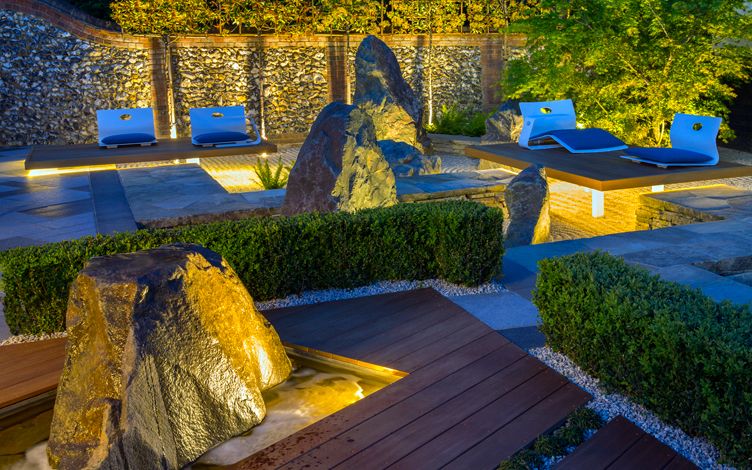
Well-designed gardens create spaces for relaxation and rejuvenation. Studies show that natural environments reduce stress and promote mindfulness. Garden architecture enhances these effects by creating visually coherent, emotionally resonant spaces where users feel calm and inspired.
Promoting Sustainability and Biodiversity
By prioritizing native species and eco-friendly materials, garden architecture supports environmental restoration. It reduces energy consumption, conserves water, and provides habitats for wildlife.
Increasing Property and Cultural Value
Beyond beauty, garden architecture elevates property value and strengthens cultural identity. Iconic gardens become symbols of heritage and artistic achievement, drawing visitors from around the world.
Benefits of Using Technology in Garden Architecture
Precision and Visualization
Digital design platforms provide unparalleled precision in planning layouts, elevations, and materials. This ensures that every path, pond, or plant contributes meaningfully to the final vision.
Efficiency and Sustainability
Technology streamlines construction processes, reducing waste and optimizing resource use. Smart irrigation and automated systems ensure long-term maintenance efficiency.
Innovation in Design Expression
Digital tools allow architects to experiment with organic forms, lighting effects, and material textures that once seemed impossible. The result: gardens that combine function, beauty, and sustainability in novel ways.
Real-Life Applications and Use Cases
Urban Revitalization
Garden architecture reclaims neglected spaces, turning industrial zones into vibrant community parks. Projects like the High Line prove that architectural landscaping can transform urban life.
Climate Resilience
Sustainable garden design helps cities combat heat islands, manage stormwater, and adapt to climate change. By integrating green roofs, bioswales, and drought-tolerant planting, architects create resilient ecosystems.
Residential Integration
Homeowners benefit from garden architecture through improved living quality. By linking indoor and outdoor areas, architects create seamless transitions that expand usable space and enhance natural light.
Frequently Asked Questions (FAQ)
1. What makes garden architecture different from traditional landscaping?
Garden architecture involves structured spatial planning that integrates artistic composition with architectural principles. It extends beyond plant selection to include built forms, pathways, and environmental design, achieving a cohesive outdoor experience.
2. How does technology influence garden architecture today?
Technology allows precise 3D modeling, efficient water management, and smart lighting systems. These tools enable architects to design environmentally conscious, visually accurate, and easily maintained landscapes.
3. Can garden architecture be applied to small spaces?
Absolutely. Even small gardens benefit from architectural planning. Through vertical planting, compact layouts, and material harmony, limited spaces can achieve both functionality and aesthetic depth.
Conclusion
Garden architecture is more than outdoor beautification; it’s the art of shaping human interaction with nature. Rooted in history and propelled by innovation, it transforms spaces into environments of harmony, sustainability, and cultural expression. As we face the challenges of urbanization and climate change, garden architecture reminds us that thoughtful design can reconnect humanity with the natural world one garden at a time.