Covered Patio Attached to House: Complete Guide to Design, Benefits, and Real-World Inspirations
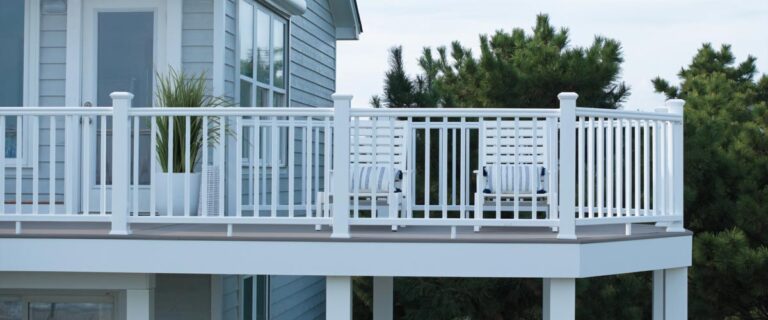
A covered patio attached to a house is a practical architectural feature that seamlessly extends indoor living spaces into the outdoors. It typically connects directly to the home’s structure, often from the living room, kitchen, or dining area, and includes a protective covering or roof. This addition provides shelter from sun, rain, and other elements while allowing residents to enjoy outdoor comfort throughout the year.
Unlike detached patios, which are standalone structures, attached covered patios merge with the home’s existing architecture. This connection enhances visual harmony and makes it easier to transition between indoor and outdoor areas. Homeowners often design these spaces as outdoor dining zones, lounges, or entertainment areas equipped with furniture, lighting, and sometimes even outdoor kitchens.
As the demand for versatile outdoor living continues to grow, covered patios have become an essential part of modern home design, offering both aesthetic value and functional benefits.
Architectural Importance of an Attached Covered Patio
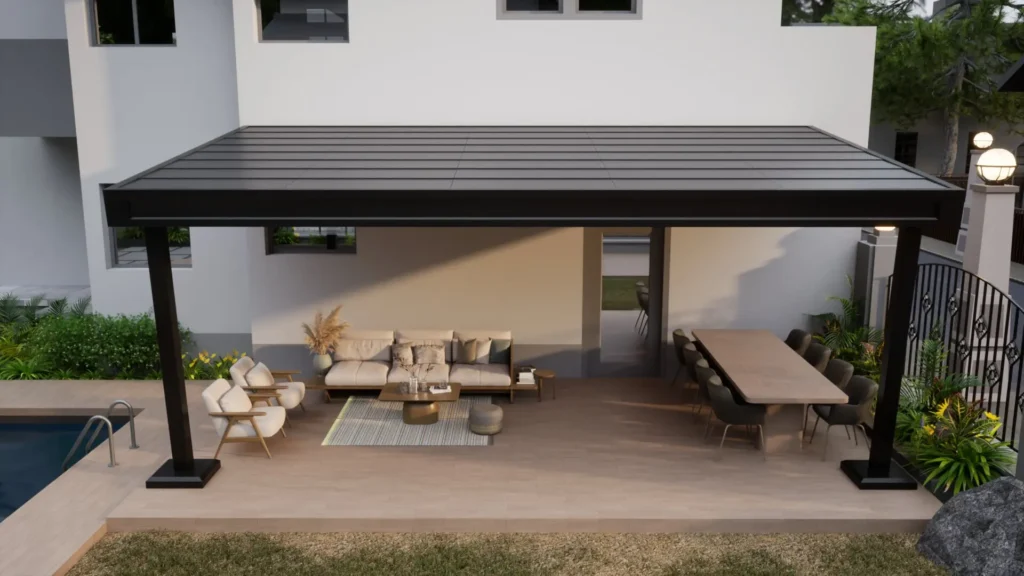
A covered patio attached to a house is more than an exterior addition; it’s a design statement that defines how indoor and outdoor environments interact. By providing a shaded, weather-protected area, it encourages more time spent outdoors without discomfort.
Architecturally, it also improves a home’s symmetry, creating a continuous flow between rooms and garden spaces. The structure can be customized to match the roofline, materials, and color palette of the main house, ensuring a cohesive and high-end appearance. Whether designed with wood beams, aluminum frames, or polycarbonate roofing, the goal remains the same: to harmonize utility and design while enhancing property value.
Key Types of Covered Patios Attached to Houses
Different designs suit various architectural styles, climates, and personal preferences. Understanding each type helps in selecting the most suitable option for your home.
Traditional Roof Extension Patio
A traditional roof extension seamlessly continues the home’s main roofline over the patio area. It’s ideal for homeowners seeking a unified aesthetic where the patio feels like a natural continuation of the house.
This type of structure provides excellent protection from the weather and can be finished with shingles, tiles, or metal roofing to match the main structure. It’s often used for outdoor living rooms or dining areas where consistent shelter is required.
Pergola-Style Covered Patio
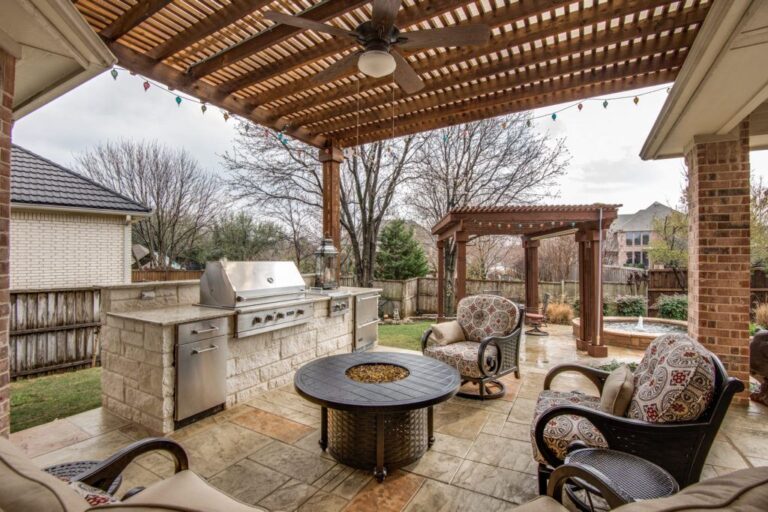
Pergolas offer a semi-covered structure using slatted beams that allow filtered sunlight. When attached to a house, they provide partial shade while maintaining an airy, open feel.
Modern pergolas can also incorporate retractable canopies or louvered roofs for adjustable sunlight control. This style is popular for its balance between aesthetics and functionality, often used to create elegant outdoor relaxation zones.
Patio with Polycarbonate or Glass Roof
These modern designs use transparent or translucent roofing materials like tempered glass or polycarbonate sheets. The advantage lies in allowing natural light to enter while still protecting from UV rays and rainfall.
Such patios create a bright, inviting atmosphere that complements contemporary home architecture. They’re particularly effective for regions with mild climates where maintaining natural light is a priority.
Aluminum or Metal Frame Patios
Aluminum-framed patios are durable, low-maintenance, and weather-resistant. Their sleek appearance matches both modern and minimalist homes. The lightweight structure makes installation easier while ensuring long-term stability and corrosion resistance.
These designs are often paired with insulated roof panels to provide better temperature control and comfort throughout the year.
Real-World Examples of Covered Patios Attached to Houses
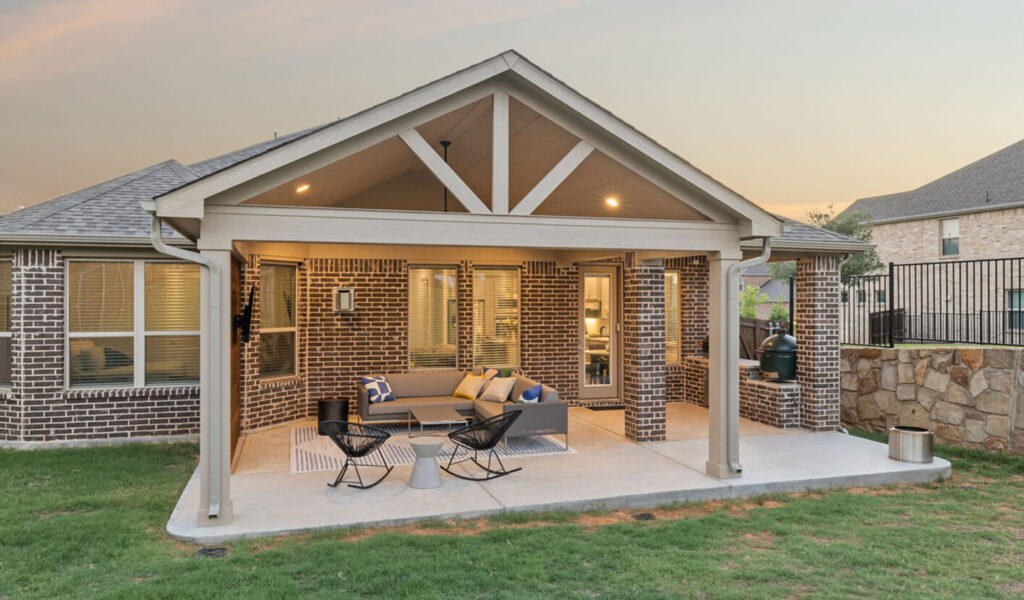
Example 1: Alumawood Patio Cover
The Alumawood patio cover is a perfect example of combining durability with aesthetics. Made from aluminum that mimics the natural texture of wood, it offers a traditional look without the need for constant maintenance.
This patio cover resists rust, warping, and termites, making it ideal for homeowners in regions with harsh weather conditions. The integration of ceiling fans or lighting systems further enhances comfort, allowing the patio to serve as a fully functional outdoor living room.
Example 2: Equinox Louvered Roof System
The Equinox Louvered Roof System takes outdoor comfort to a new level. It features adjustable louvers that open or close with the touch of a button, offering complete control over sunlight and ventilation.
When attached to the house, it blends architectural elegance with technological convenience. During sunny days, the louvers can be partially opened for filtered light, while during rain, they close completely to provide watertight protection. This system demonstrates how advanced engineering transforms simple patios into intelligent outdoor environments.
Example 3: Four Seasons Elitewood Patio System
The Four Seasons Elitewood system combines the appearance of wood with the resilience of aluminum. It’s engineered for homeowners who prefer the warm look of timber without the associated upkeep.
Its insulated roof panels help reduce heat transfer, keeping the covered patio cooler in summer. The system also supports the installation of integrated lighting and ceiling fans, turning the outdoor area into an all-season relaxation zone.
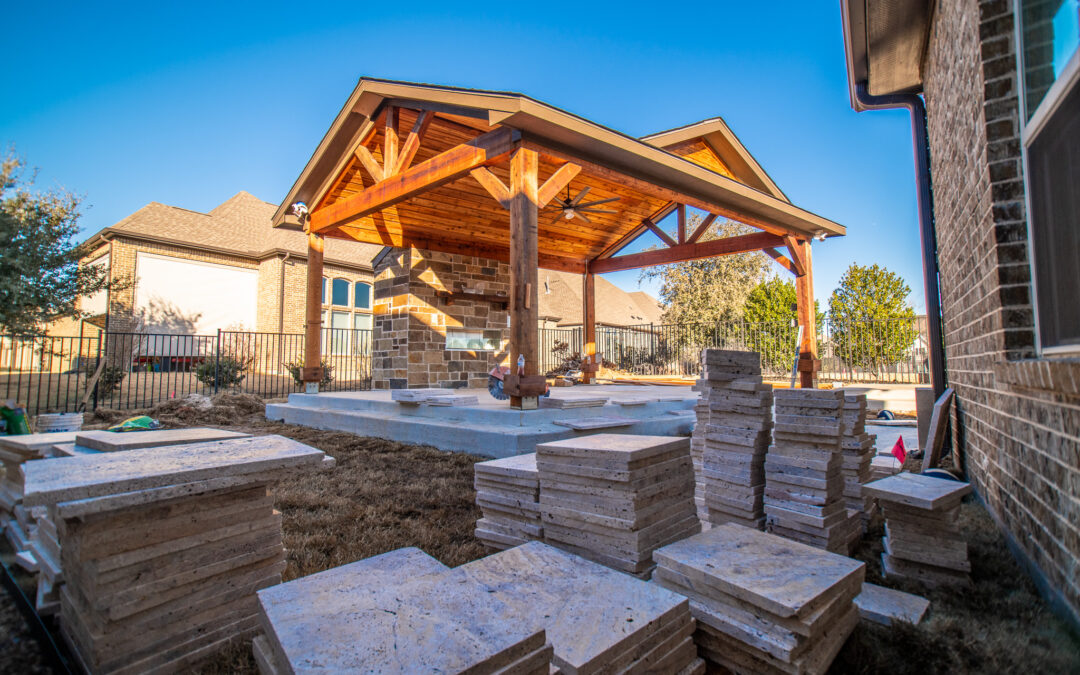
Example 4: Timber Frame Attached Patio
Timber frame patios add rustic elegance to a home. Constructed using sturdy cedar, oak, or pine beams, these patios bring a sense of craftsmanship and warmth that complements natural landscapes.
The exposed beam design pairs beautifully with stone flooring and outdoor fireplaces, making it perfect for countryside or mountain homes. Despite requiring periodic sealing, the timeless charm of natural wood remains unmatched for traditional and cozy aesthetics.
Example 5: Solara Adjustable Patio Cover
The Solara Adjustable Patio Cover integrates solar-powered motorized louvers that operate without electricity. It’s a sustainable and eco-friendly option that adapts to various weather conditions.
Homeowners can control sunlight exposure, airflow, and shading while reducing energy consumption. This system represents the perfect blend of modern innovation and environmental responsibility.
Benefits of Covered Patios Attached to Houses
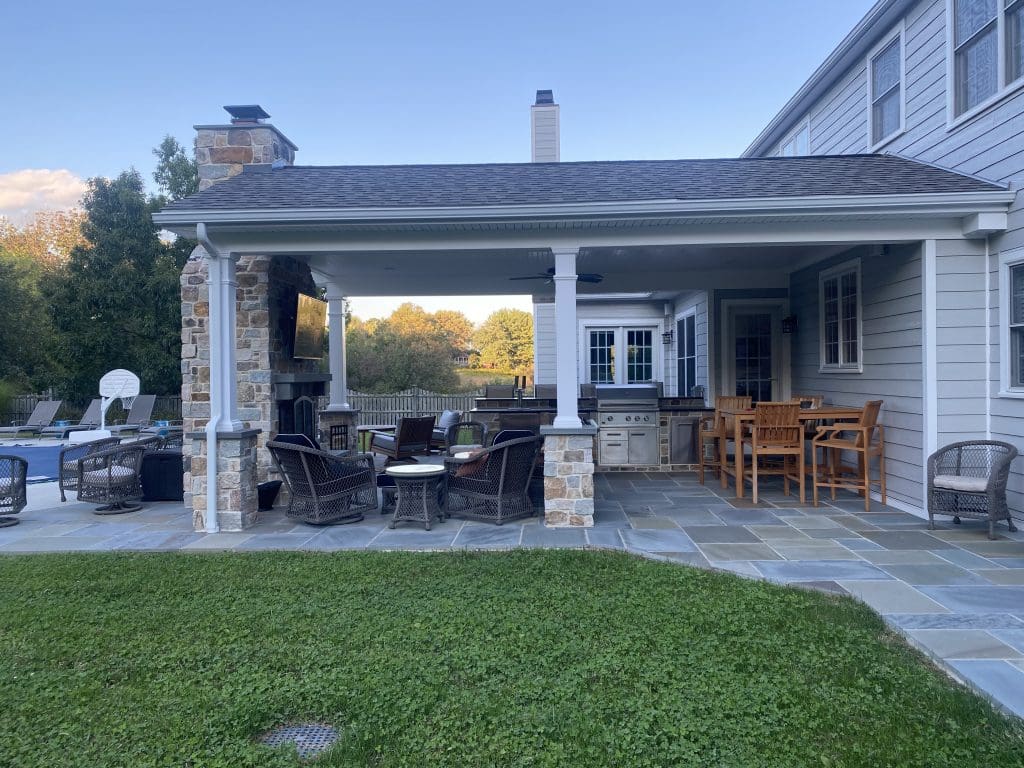
Covered patios offer both immediate and long-term advantages for homeowners.
Enhanced Outdoor Comfort
A covered patio provides shelter from direct sunlight, rain, and wind, making the space usable throughout the year. With the addition of fans, heaters, or retractable shades, the patio becomes a versatile environment for any season.
It allows for outdoor dining, reading, or entertaining without weather interruptions, greatly improving the quality of life and outdoor enjoyment.
Increased Property Value
Homes with attached covered patios often have higher market value. The addition creates a functional extension of the living area, appealing to potential buyers looking for outdoor leisure spaces.
A well-designed patio that complements the architecture of the house adds sophistication and curb appeal, making it a worthwhile investment.
Energy Efficiency and Shade Management
By shading adjacent indoor rooms, covered patios reduce heat transfer and lower cooling costs during summer. The structure naturally regulates temperature, improving energy efficiency.
Advanced models like louvered or insulated roof systems enhance thermal comfort further, helping homeowners save energy year-round.
Low Maintenance and Durability
With modern materials like aluminum and composite roofing, attached patios require minimal upkeep. These materials resist corrosion, fading, and insect damage, ensuring lasting beauty and function with little effort.
Practical Use Cases of Covered Patios Attached to Houses
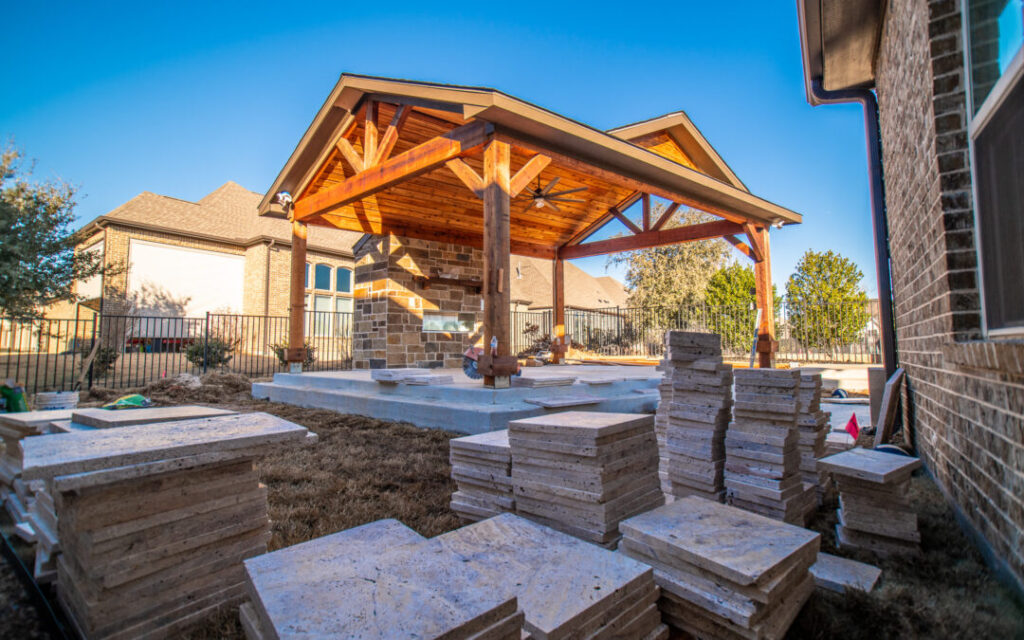
Covered patios are incredibly versatile and can be customized for various real-world applications.
Outdoor Dining and Entertainment
A covered patio attached to the house provides an ideal setting for family meals, barbecues, or small gatherings. By positioning the patio near the kitchen or dining area, homeowners can easily serve and entertain guests while enjoying fresh air.
The roof covering ensures that events continue uninterrupted, regardless of sudden weather changes.
Home Office or Relaxation Space
With the rise of remote work, many homeowners convert their covered patios into tranquil outdoor offices. The combination of natural light and shelter offers a productive yet soothing atmosphere.
Alternatively, these spaces can serve as reading lounges, yoga areas, or meditation corners, promoting mental well-being and outdoor connection.
Outdoor Kitchen and Living Room
Modern covered patios often integrate built-in grills, counters, and seating areas. The protection provided by the covering allows for permanent outdoor installations without worrying about rain or sun exposure.
This setup transforms the backyard into a functional extension of the home, perfect for year-round social gatherings.
Frequently Asked Questions
1. What materials are best for building a covered patio attached to a house?
Aluminum, composite materials, and treated wood are among the best options. Aluminum offers durability and low maintenance, while wood provides a natural, aesthetic appeal. For modern designs, polycarbonate or glass roofs enhance light transmission.
2. Does a covered patio require a permit?
In most areas, yes. Because it attaches to the main structure, it typically requires a building permit to ensure safety and compliance with local regulations. Homeowners should always check local building codes before starting construction.
3. How long does a covered patio attached to a house last?
The lifespan depends on materials and maintenance. Aluminum or composite patios can last 30–50 years with minimal upkeep, while wooden structures may last 20–30 years with regular sealing and care.