Outdoor Decking: The Complete Guide to Modern Deck Designs, Materials, and Real-World Applications
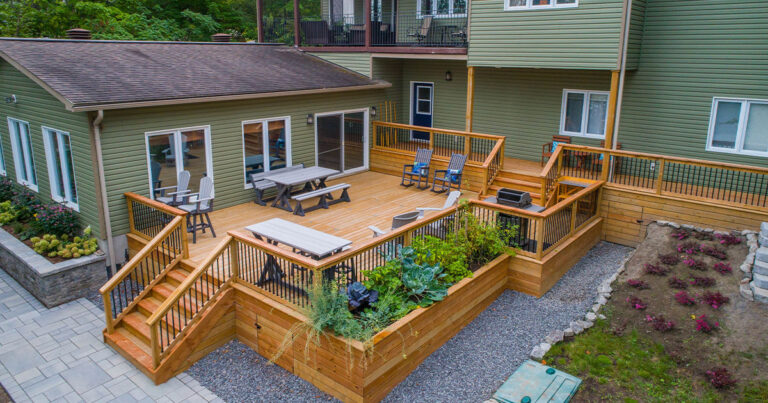
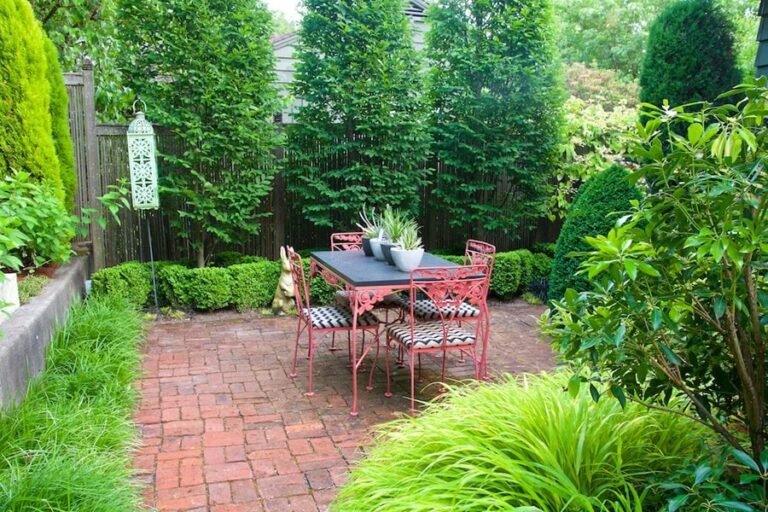
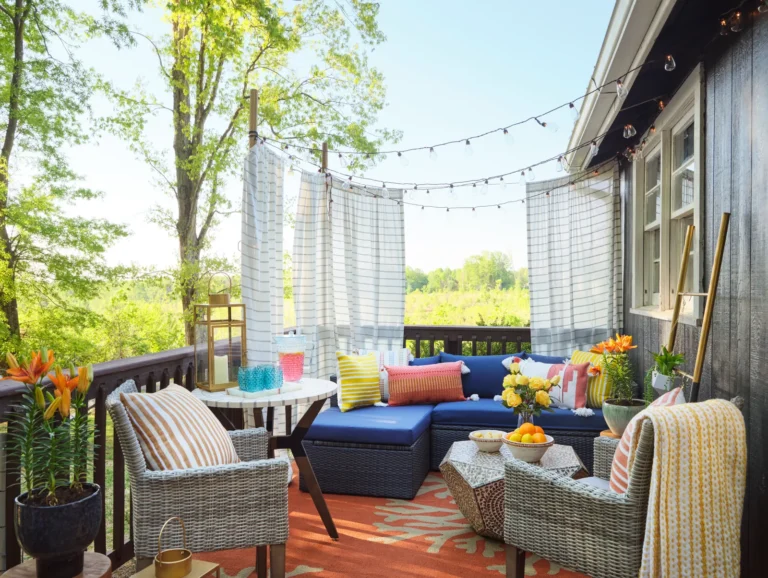
Outdoor decking has become one of the most defining features in modern exterior design, transforming empty backyards, patios, and pool areas into elegant extensions of living spaces. It serves as a platform for relaxation, dining, or entertainment, bridging the indoors and outdoors seamlessly.
At its core, outdoor decking refers to the use of durable material, typically wood, composite, or VC, to create a raised or leveled platform that supports outdoor furniture and withstands varying weather conditions. Unlike traditional patios, decks are elevated structures, allowing for a flexible and aesthetic transition from the house to the surrounding landscape.
With the evolution of materials and design innovations, decking has shifted from purely functional construction to a style statement that reflects sustainability, comfort, and modern living.
The Importance of Outdoor Decking in Modern Living
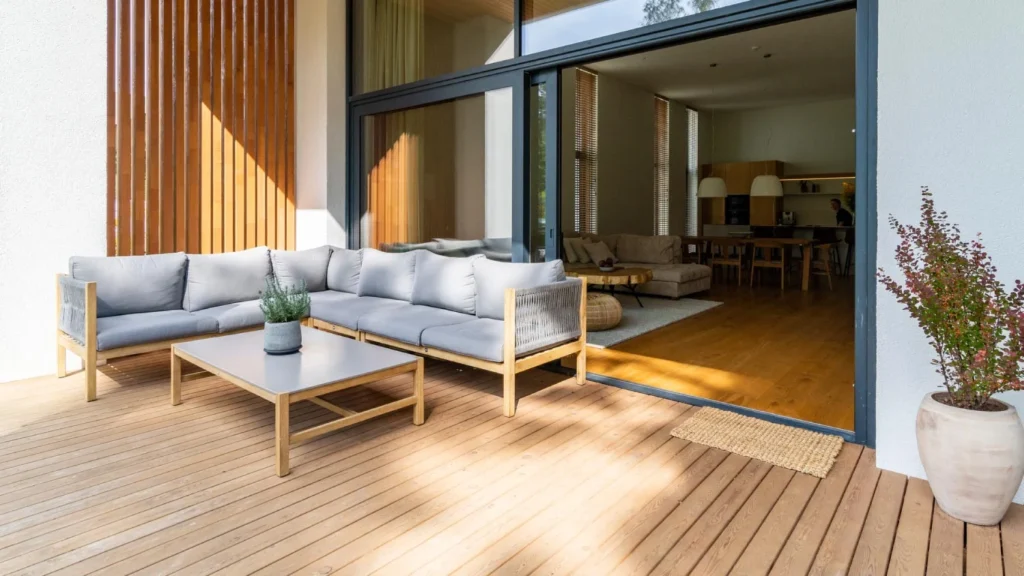
Outdoor decking enhances not just the visual appeal of a home, but also its functional versatility. It creates an additional living area where families can gather, dine, or entertain guests under open skies. More importantly, it adds long-term value to residential and commercial properties by improving the usable outdoor space and blending architecture with nature.
From small urban balconies to expansive countryside terraces, decks can be customized to suit diverse architectural styles and purposes. For homeowners who value both aesthetics and practicality, decking is an essential design choice that defines the character and lifestyle of the space.
Types of Outdoor Decking Materials
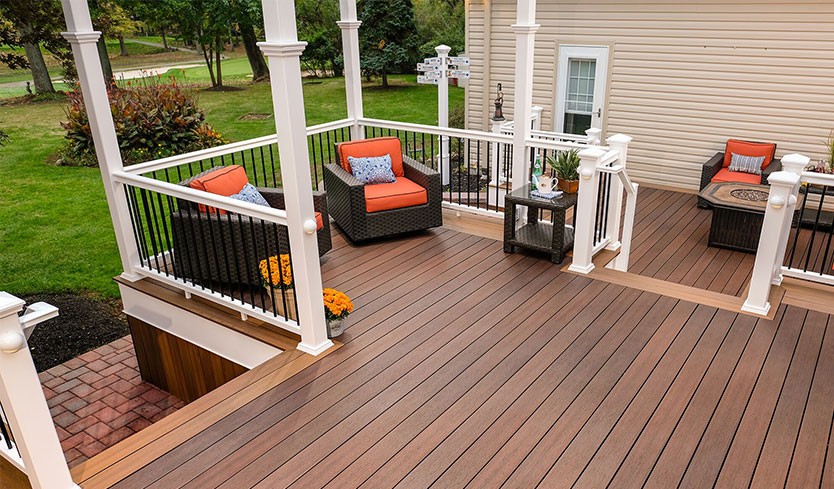
Choosing the right decking material is a crucial decision, as it determines the deck’s durability, maintenance needs, and overall visual impact.
Natural Timber Decking
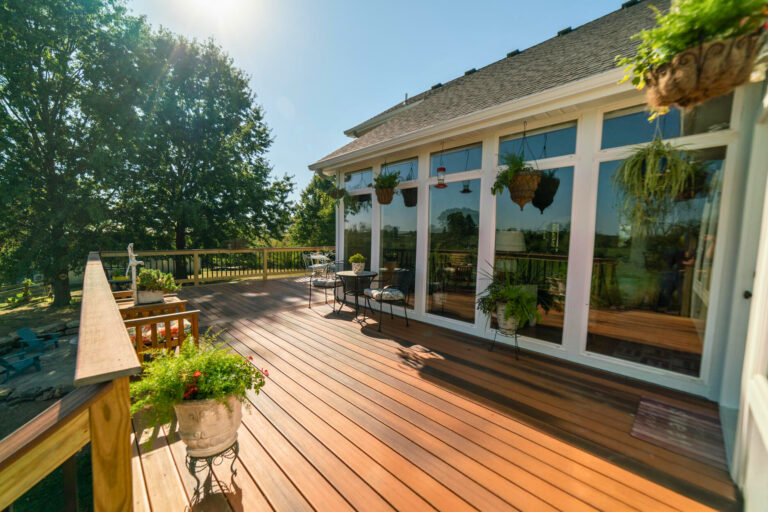
Natural wood decking like teak, cedar, or redwood has a timeless beauty that many homeowners prefer. It provides warmth, texture, and authenticity that synthetic materials often struggle to replicate. Wood decks also age gracefully, developing a natural patina over time that enhances their charm.
However, timber decking requires regular maintenance such as sealing and staining to protect against moisture, UV rays, and pests. Despite this, the aesthetic payoff often makes it worthwhile for traditionalists who value natural finishes.
Composite Decking
Composite decking combines wood fibers with plastic polymers, resulting in a highly durable and low-maintenance material. It resists fading, warping, and insect damage, making it ideal for areas with extreme weather conditions.
Modern composite decks offer realistic wood textures and come in various colors and grain patterns. They require minimal upkeep, only occasional cleaning, and can last decades without splintering or cracking.
PVC or Vinyl Decking
PVC decking is 100% synthetic, made from polyvinyl chloride, and offers unmatched resistance to moisture and mildew. It’s particularly suited for poolside installations or humid climates where other materials may degrade faster.
While PVC decks lack the natural warmth of wood, they excel in durability and longevity. Their sleek, contemporary appearance makes them popular in minimalist or modern architecture.
Real-World Examples of Outdoor Decking Applications
Example 1: Trex Transcend Composite Decking
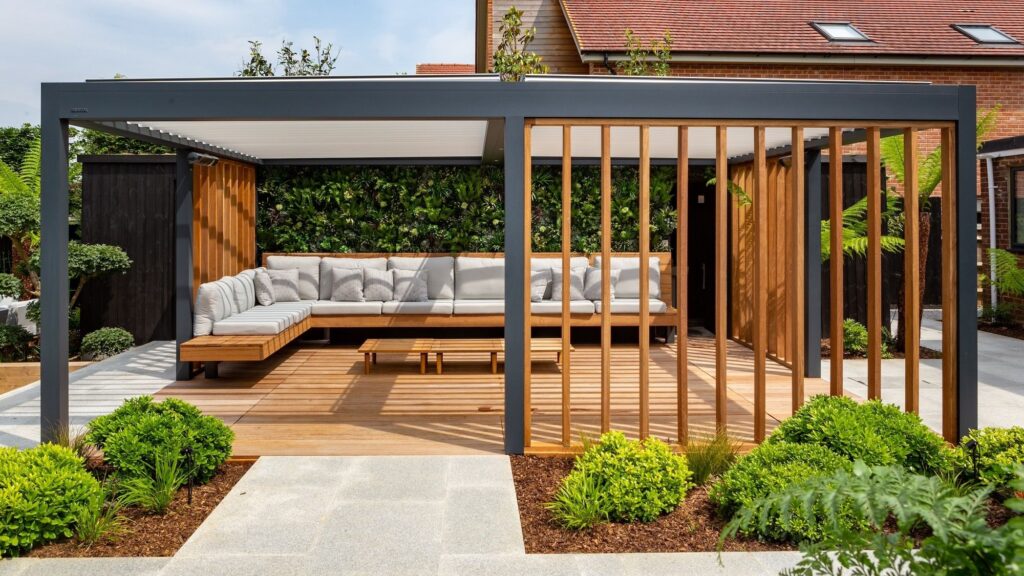
Trex Transcend is one of the leading examples of high-performance composite decking. Known for its deep wood-grain pattern and rich color palette, this product combines durability with visual sophistication. It resists fading, stains, and scrscratcheseking it a perfect choice for families with children or pets.
What makes Trex stand out is its eco-friendly composition. It’s made from 95% recycled materials, aligning with modern sustainability goals. This deck material not only enhances outdoor aesthetics but also supports environmentally conscious building practices.
Example 2: TimberTech AZEK PVC Decking
TimberTech AZEK decking is engineered for luxury and longevity. Built with advanced PVC technology, it offers a surface that resists mold, mildew, and moisture intrusion, ideal for coastal or rainy environments.
Its smooth finish and refined color selections allow homeowners to achieve a sleek, modern look without sacrificing performance. The boards also stay cooler under sunlight, providing comfort for barefoot use during the summer months.
Example 3: Ipe Hardwood Decking
Ipe, also known as Brazilian Walnut, is a premium natural hardwood renowned for its exceptional density and durability. Often used in luxury resorts and high-end residences, Ipe decking offers a rich, dark tone and resistance to rot, insects, and decay.
While it requires initial oiling to maintain its deep color, Ipe can last up to 40 years with proper care. Its strength and elegant appearance make it an unmatched option for those seeking natural luxury in their outdoor design.
Example 4: Fiberon Good Life Composite Decking
Fiberon Good Life is a budget-friendly yet durable decking solution that balances performance and affordability. It mimics natural wood aesthetics and offers superior weather resistance with minimal upkeep.
Ideal for homeowners who want the look of real wood without the constant maintenance, Fiberon decking provides a smooth surface and fade-resistant finish, ensuring lasting beauty and function in outdoor spaces.
Example 5: Western Red Cedar Decking
Western Red Cedar remains a classic choice for traditional outdoor decks. It’s lightweight, easy to work with, and naturally resistant to rot and insects. Its aromatic scent and reddish hue bring warmth to any outdoor environment.
Although it requires periodic staining or sealing, cedar decking provides a balance of affordability, beauty, and performance. For those preferring a natural, rustic charm, cedar remains an enduring favorite.
Benefits of Using Modern Outdoor Decking Technologies
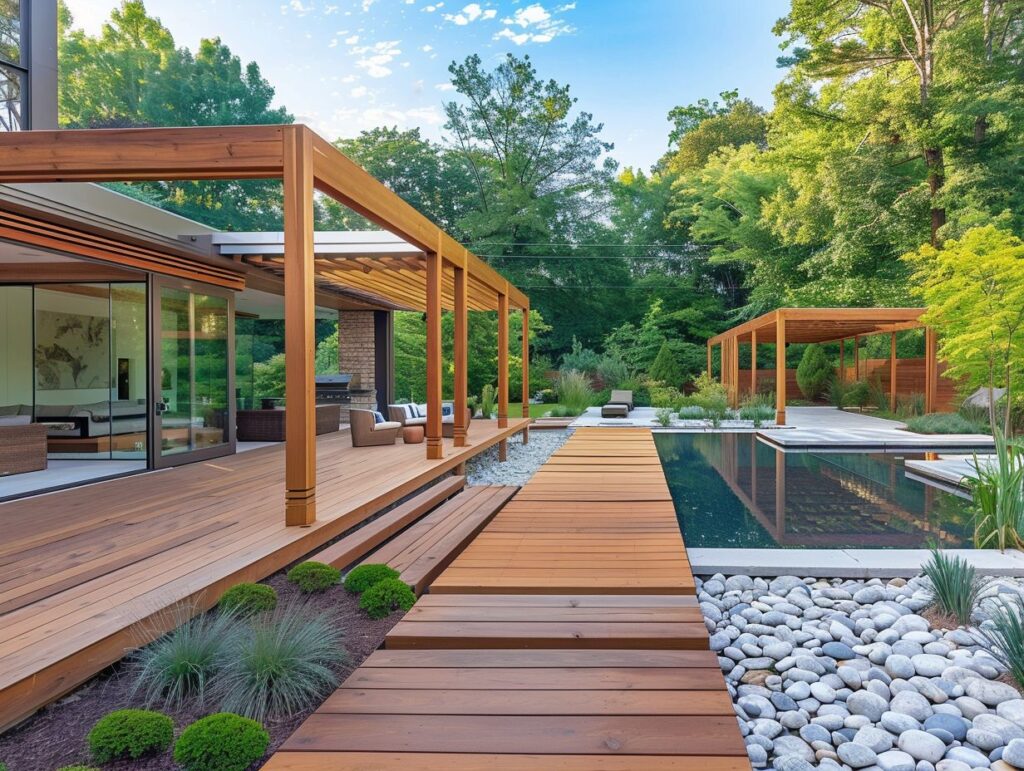
Modern decking technologies have transformed how we approach outdoor design, making decks more sustainable, resilient, and adaptable to diverse environments.
Enhanced Durability and Weather Resistance
Composite and PVC decking materials have redefined longevity. Unlike wood, these synthetic options resist fading, warping, and splintering even under harsh sun or heavy rain. This ensures the deck maintains its structural integrity and appearance for decades with minimal effort.
Eco-Friendly and Sustainable Solutions
Many leading decking brands use recycled wood and plastic, significantly reducing waste and environmental impact. This sustainable manufacturing aligns with the global shift toward eco-conscious construction practices, allowing homeowners to enjoy luxury without compromising ethics.
Low Maintenance and Cost Efficiency
Modern decking materials require minimal maintenance, sanding, sealing, or staining. This not only saves time and cost over the years but also makes outdoor living more accessible to busy homeowners.
Practical Use Cases for Outdoor Decking
Outdoor decking provides tangible solutions to common design and lifestyle challenges.
Expanding Living Space
Decks effectively extend indoor living areas outdoors, offering additional space for dining, lounging, or social gatherings. They create a natural flow between home interiors and exterior landscapes, ideal for entertaining guests or relaxing in solitude.
Enhancing Property Value
A well-designed deck can increase a property’s market value by improving curb appeal and functional space. Homes with finished outdoor areas often attract higher demand and faster sales in competitive real estate markets.
Adapting to Challenging Terrain
Decking is especially useful in sloped or uneven landscapes where traditional patios are difficult to build. Elevated decks provide stability and accessibility, turning unused or challenging ground into functional outdoor retreats.
Frequently Asked Questions
1. What is the best material for outdoor decking?
Composite decking is generally the best choice for most homeowners due to its durability, low maintenance, and weather resistance. However, those who prefer natural aesthetics may opt for hardwood options like Ipe or cedar.
2. How long does outdoor decking last?
The lifespan depends on the material. Composite and PVC decking can last 25–50 years with minimal maintenance, while hardwood decking like Ipe can last up to 40 years if properly cared for.
3. Can outdoor decking be installed over concrete?
Yes, decks can be built over concrete slabs with proper framing and ventilation. This approach is commonly used to transform outdated patios into modern outdoor living areas.